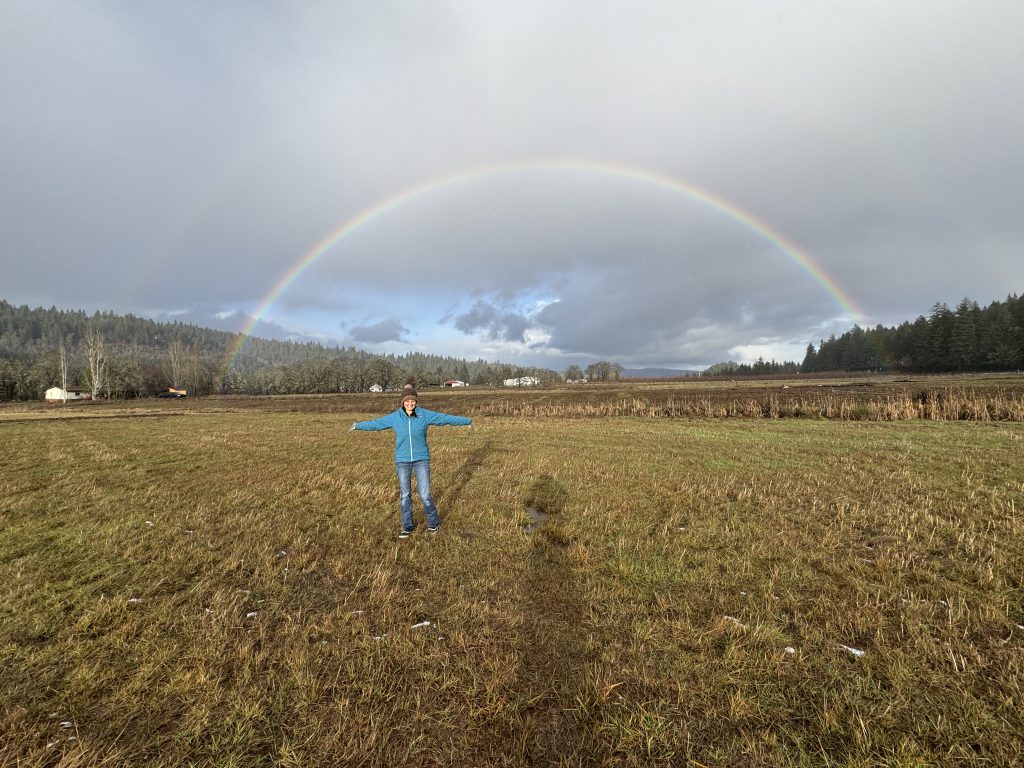
Winter Flower Farm Preparation
January 25, 2025 Journal Entry
January ‘25 Farm Journal: Our Winter Flower Farm Preparation and Our First Steps in Regenerative Farming
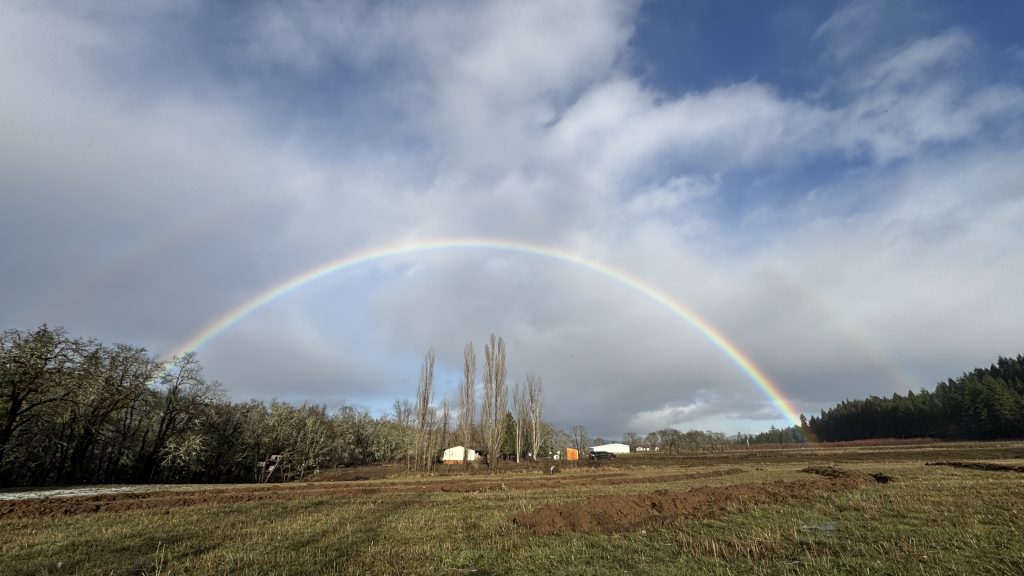
The color of springtime is in the flowers, the color of winter is in the imagination.”
~ Terri Guillemets
Embracing Winter’s Unusual Rhythm
“The color of winter is in the imagination,” wrote Terri Guillemets, and I’ve never felt this more deeply than during this unusual January. Each day has fallen into its own rhythm, beginning with frozen ground and temperatures hovering around a “brrring” 24 degrees, only to watch the midmorning sun break through, teasing us with hints of spring. After an extremely wet December that tested our farm’s resilience, this unseasonable dry spell has offered unexpected opportunities to work the land and better assess its needs.
Finding Balance in Winter Flower Farm Preparation
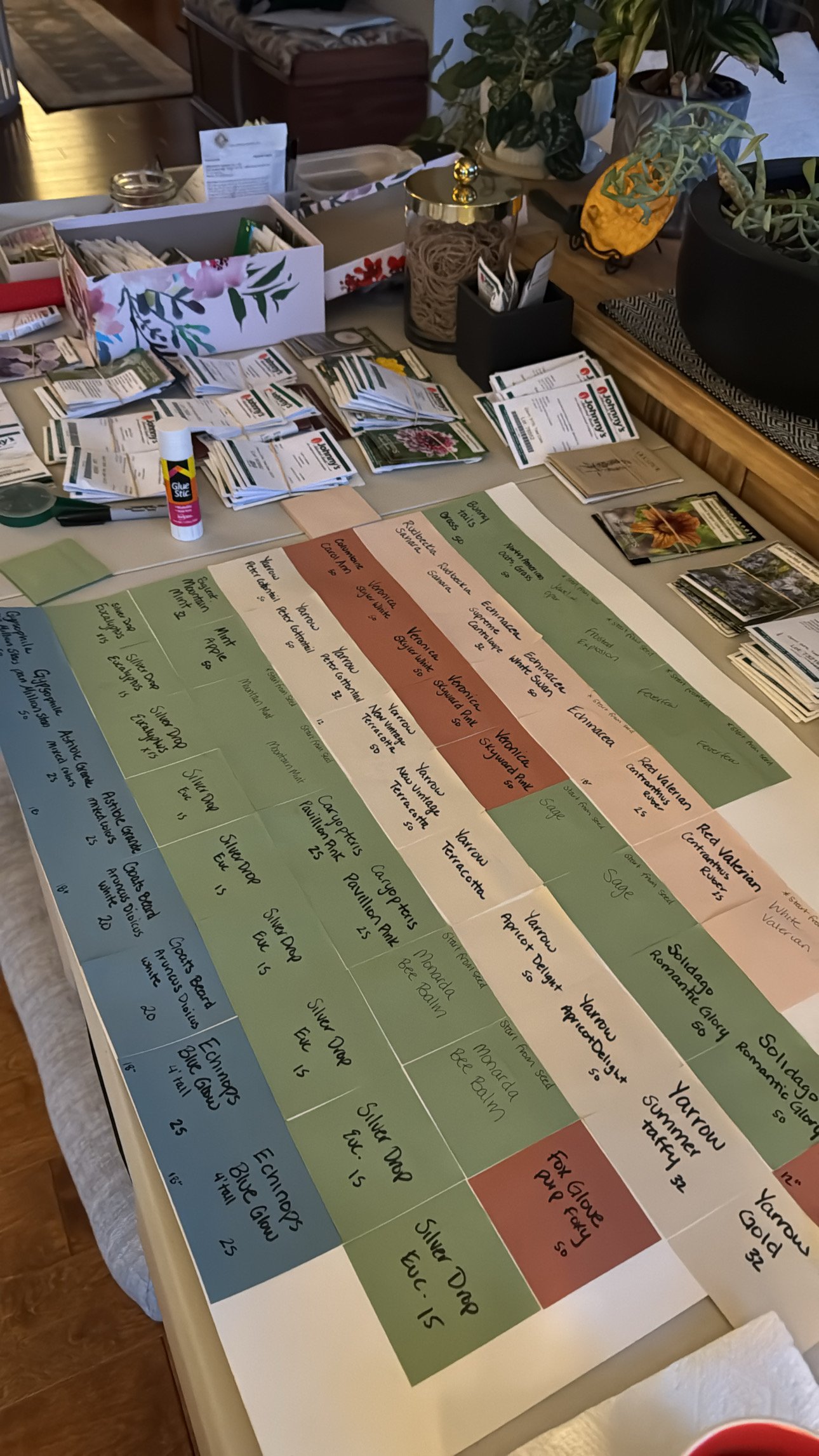
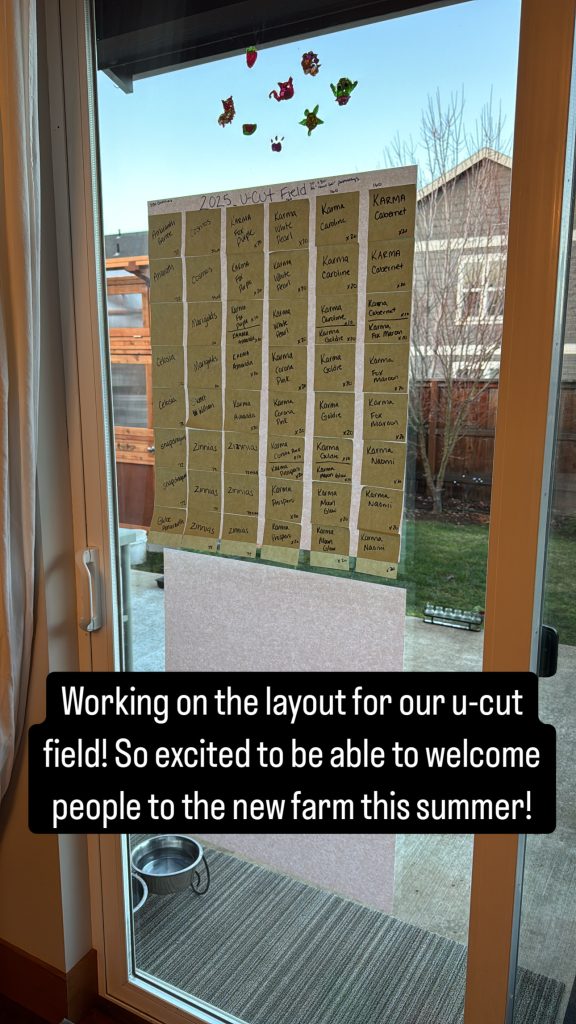
Winter days on a farm have their own cadence this year. The freezing mornings and frozen ground limit our outdoor work to just a few precious hours, creating a natural ebb and flow between field work and indoor planning. Inside, surrounded by flower catalogs, graph paper and post-it notes, I’ve been mapping out our future flower beds, creating detailed sowing schedules, and finalizing plug orders. These quiet hours of winter planning are when next summer’s garden first takes root – in our imagination and on paper before it emerges in soil.
Understanding Our Flower Farm’s Land Challenges
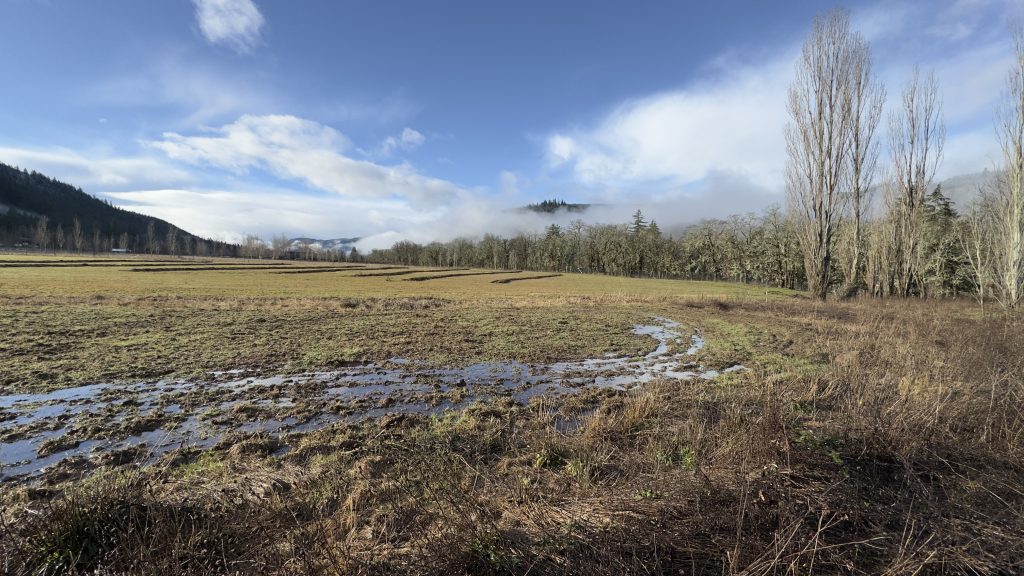
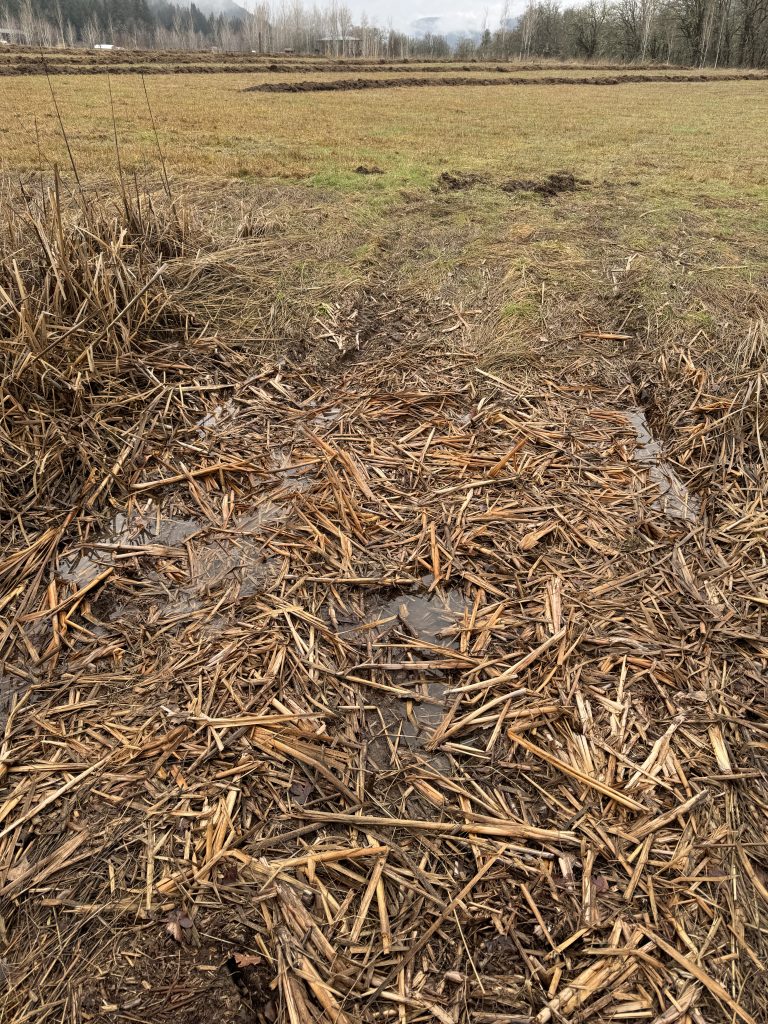
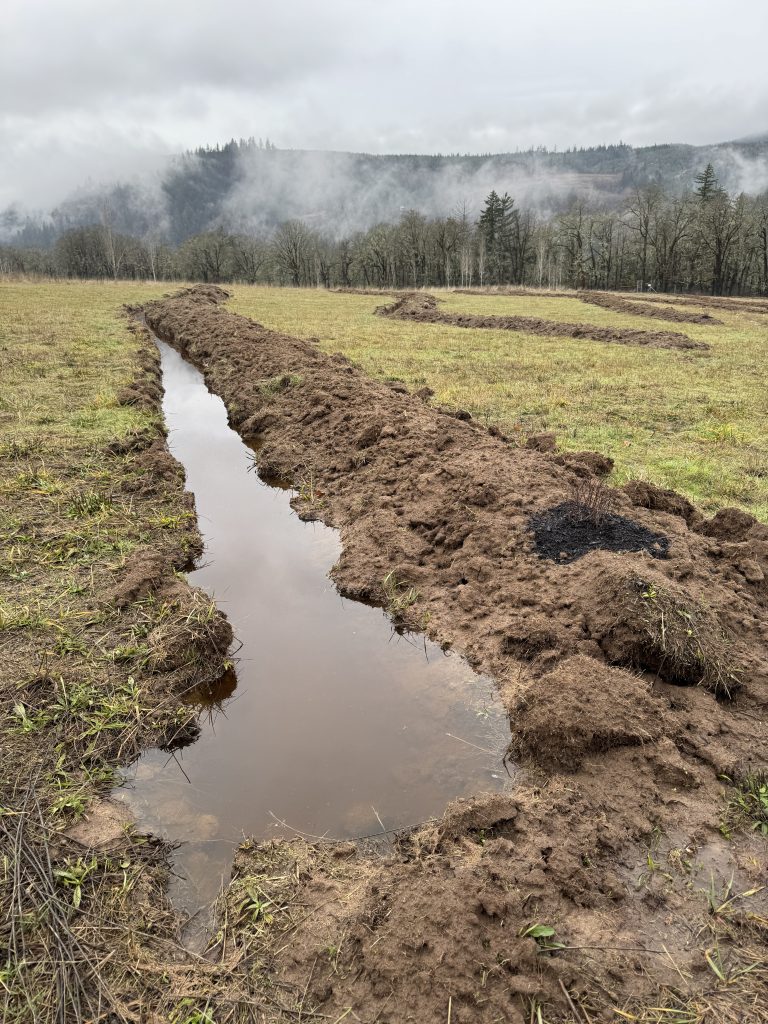
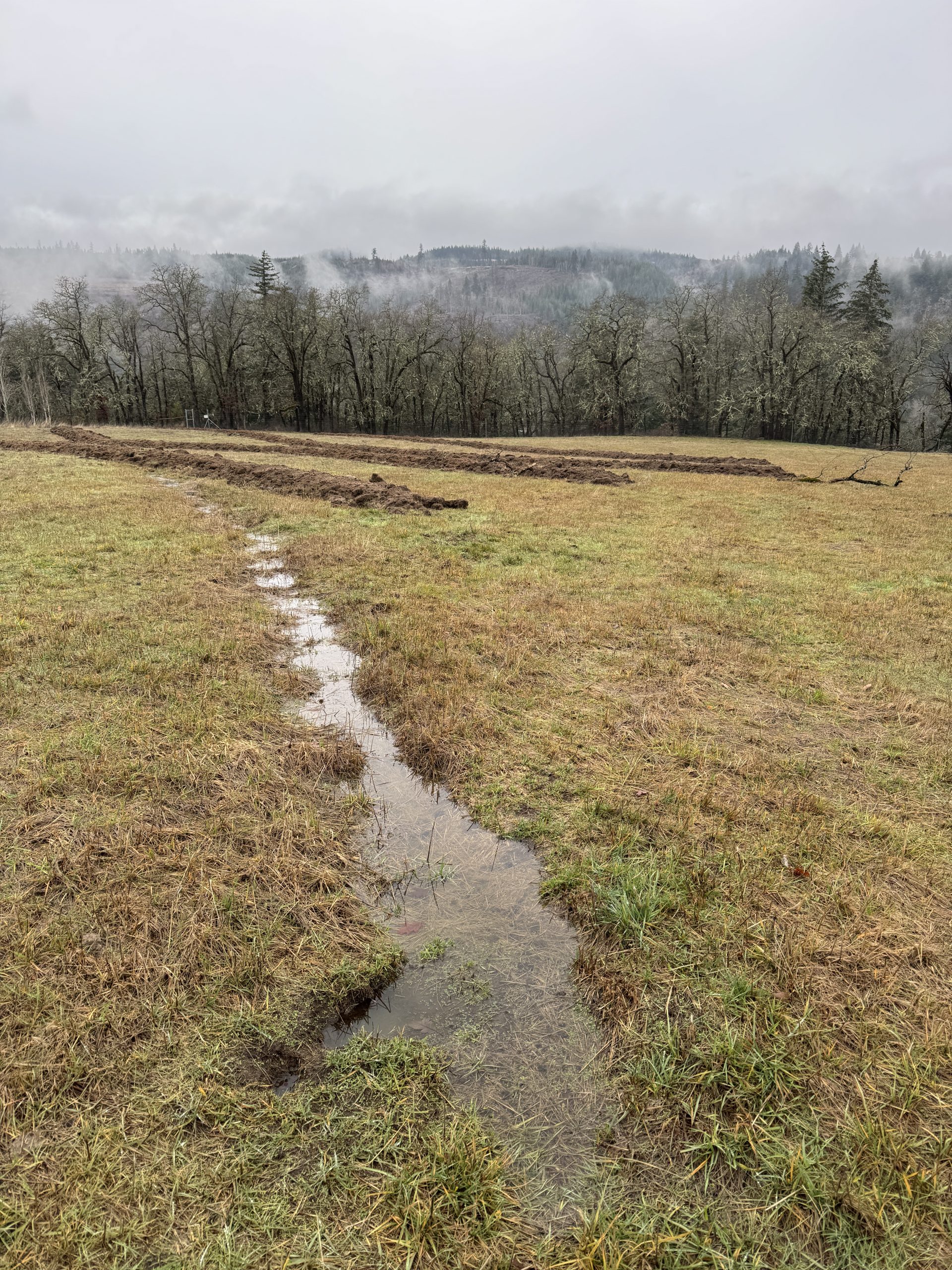
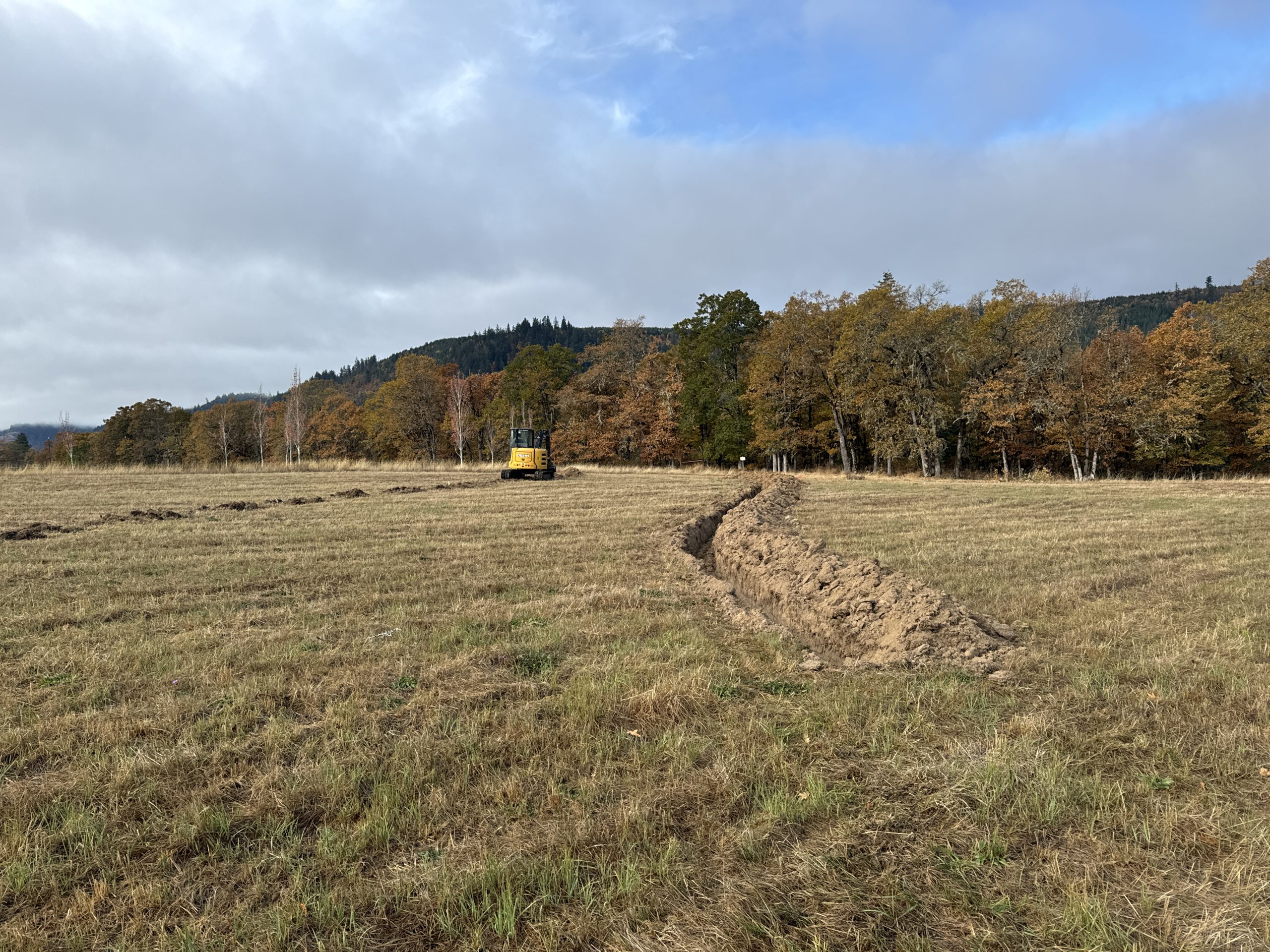
December’s heavy rains revealed one of our farm’s most pressing challenges – vast pools of standing water AND streams of running water that refused to percolate into the soil. This drainage issue, a result of compacted soils and the result of it sitting for years in a fallow state, has emerged as a critical concern that will need to be addressed before we can move forward with many of our plans, including the eventual building of our home. Yet even these challenges are teaching us valuable lessons about our land’s needs and the importance of soil health in regenerative farming. When soil health improves, so does it’s capacity for holding water.
Planning Our Native Prairie Restoration On The Farm
Our spring planting plans have grown into something more ambitious and meaningful than we initially imagined. We’re preparing to welcome 1,200 trees and shrubs to the farm. Many of these trees and shrubs were carefully chosen to serve specific purposes in our ecosystem. A thousand of these trees and shrubs will form the foundation of our native prairie restoration project. This is a dedicated section of the farm where we’re committed to recreating a thriving habitat for local wildlife. Mock orange, snowberry, elderberry, and ninebark will help to create habitat for the birds, while native willows will strengthen and protect our creek banks. Through our local conservation district’s native plant sale, we’ve secured Ponderosa pines and, perhaps most excitingly, Oregon White Oak (Quercus garryana). Oregon White Oak is an important species that can support hundreds, if not thousands, of birds, insects, and wildlife by providing both habitat and sustenance.
Creating Functional Beauty with Trees and Shrubs
Beyond the prairie restoration area, we’re strategically placing trees and shrubs throughout the property to serve dual purposes: creating essential windbreaks and erosion control while also providing future cutting material for our flower arrangements. This thoughtful integration of functional and productive elements reflects our broader vision for the farm – one where every addition serves multiple purposes in our ecosystem.
Committing to Soil Health and Regenerative Agriculture
One of our foundational goals for the farm is healing the soil, and we recognized early on that this would require expertise beyond our own. This month marked an important step forward as we’ve been working to bring on a soil scientist to consult and advise us. Our vision is to eventually create soil that resembles “chocolate cake” – rich, full of life, and teeming with earthworms. We’re committed to restoring the underground ecosystem, building a thriving soil food web that’s alive and dynamic.
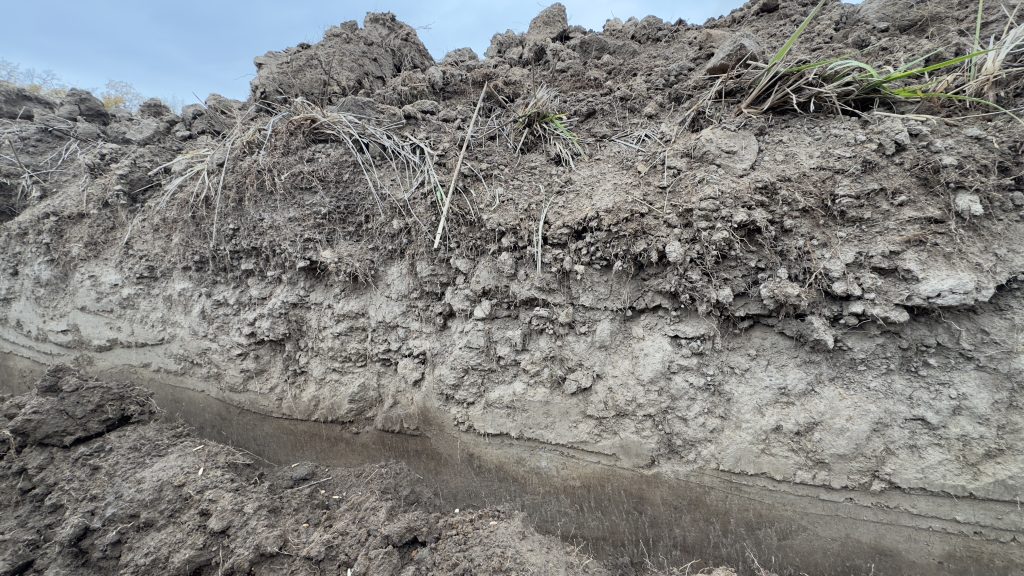
When soil is healthy and full of organic matter, it naturally captures carbon and absorbs water like a sponge. This living, vibrant soil will become the foundation for growing the beautiful, local flowers we dream of, all without relying on chemicals or synthetic fertilizers. Our commitment to regenerative practices extends beyond just growing flowers – we’re nurturing an entire ecosystem where beneficial insects, birds, and wildlife can thrive alongside our blooms.
Finding Inspiration For Our Flower Farm in Regenerative Agriculture
This commitment to regenerative practices was reinforced when our daughter and I recently attended a screening of “Common Ground” at OMSI in Portland. Along with “Kiss the Ground” (both documentaries will be available on Amazon Prime this Earth Day), these films have profoundly influenced our approach to land stewardship. They’ve shown us how, through regenerative agriculture, we can not only halt soil degradation but actually rebuild and regenerate our soil – creating a future for our farm that’s better than its past.

Taking First Steps in Winter Field Preparation
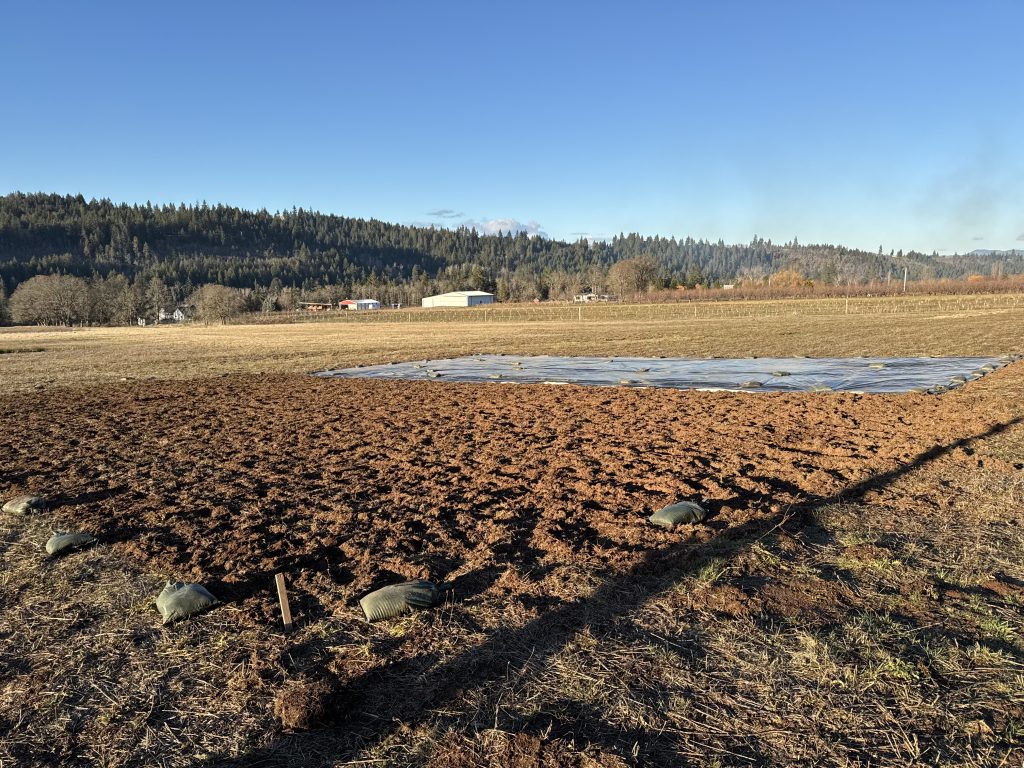
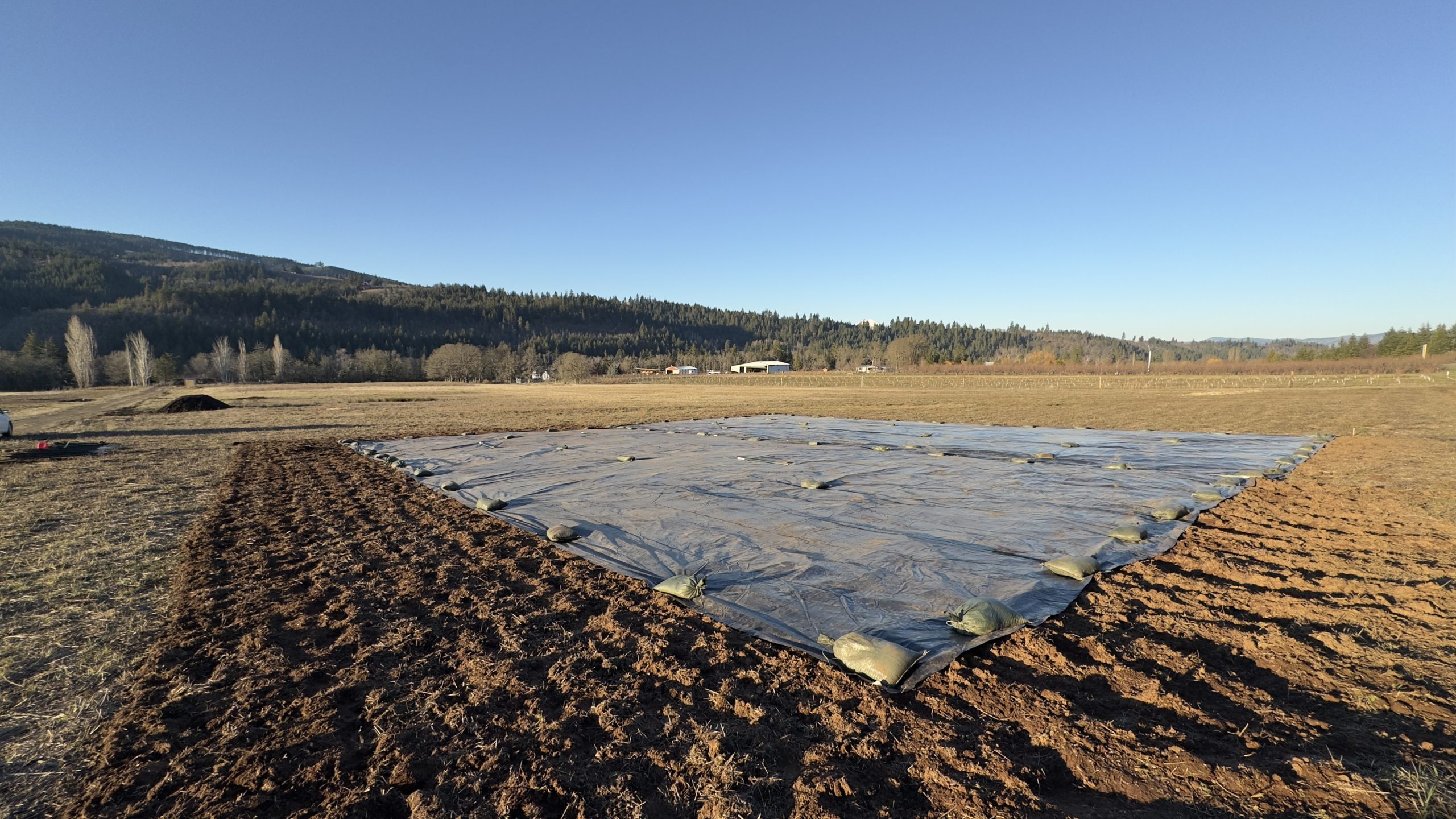
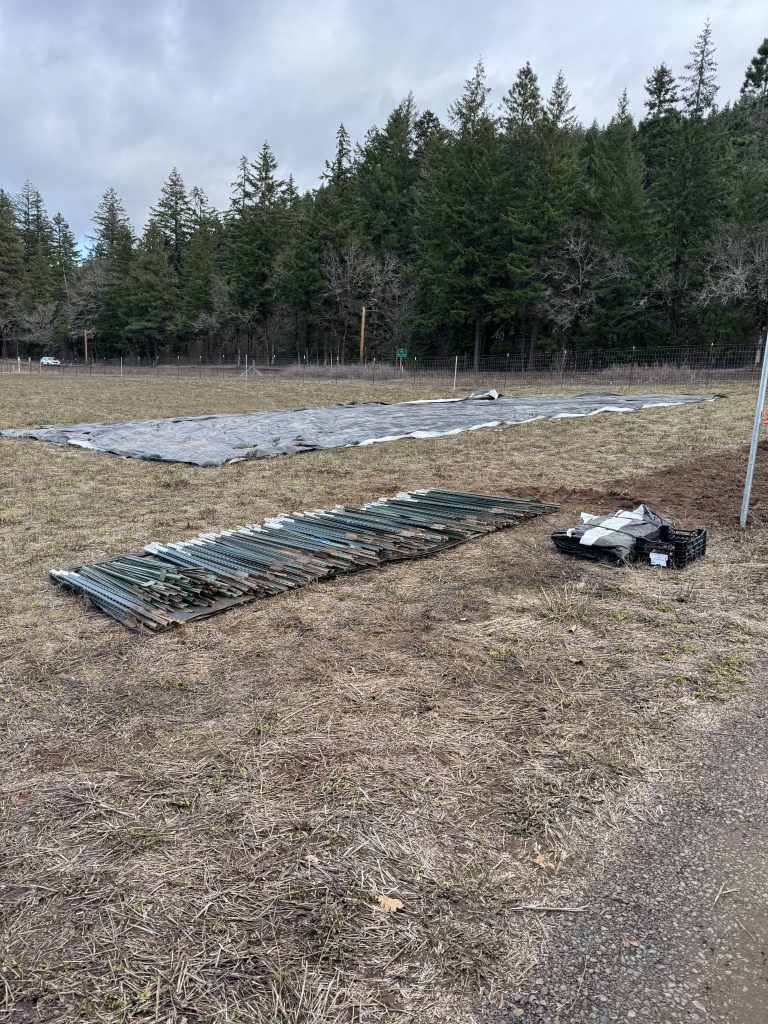
After chatting with our future soil consultant, we decided to seize January’s dry weather. T.J. offered to till the field so we could prepare our you-pick flower field. While I stayed home with our sick daughter, T.J. spent two afternoons tilling, working between the frozen mornings and warmer middays. He carefully tilled an 80′ x 80′ section of our future you-pick garden space, breaking up the hardpan and knocking out the invasive knap weed.
Once T.J. finished tilling, we wrestled with two massive 40′ x 80′ silage tarps. For anyone who’s put down a silage tarp before, you know that just unfolding and positioning these enormous tarps took both of us working together. Once we finally had them positioned over the newly tilled ground, we secured them with heavy sand bags.
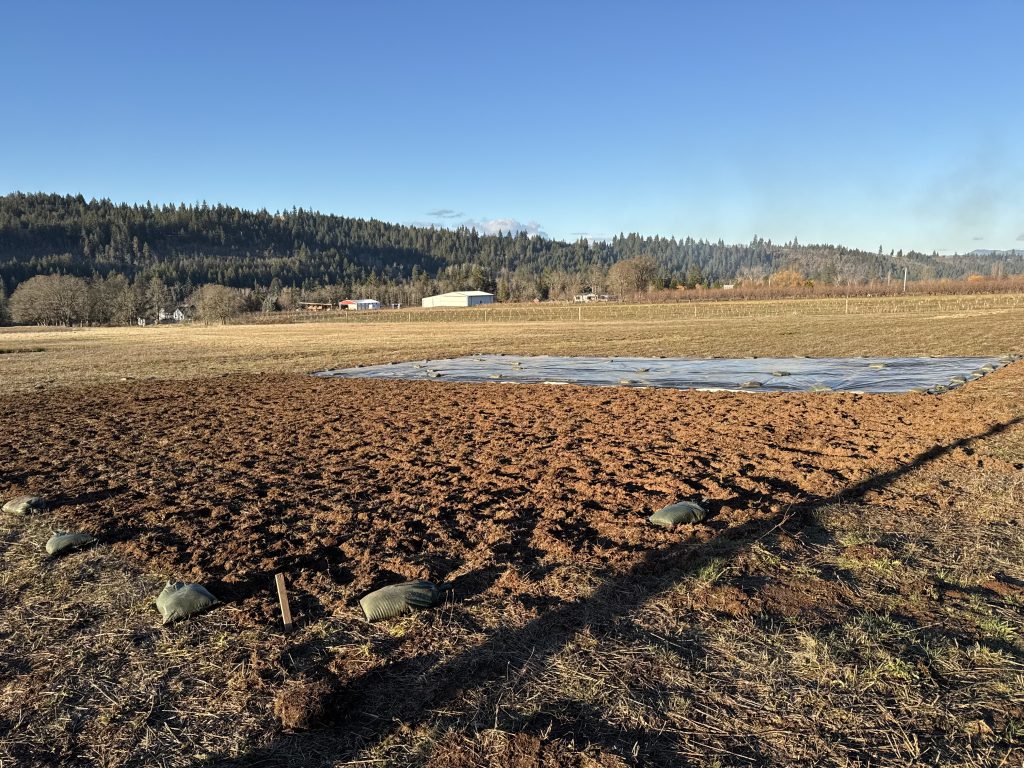
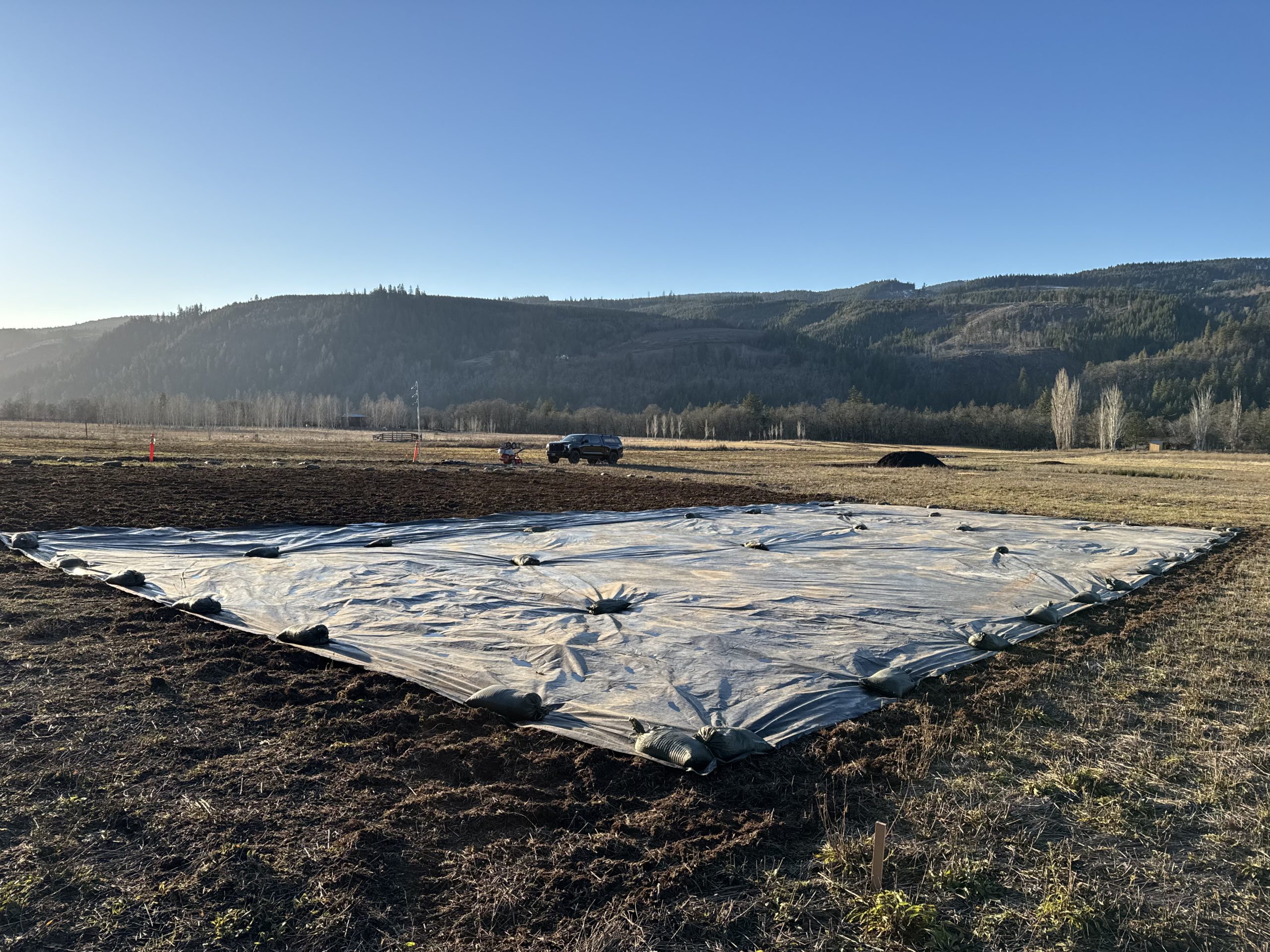
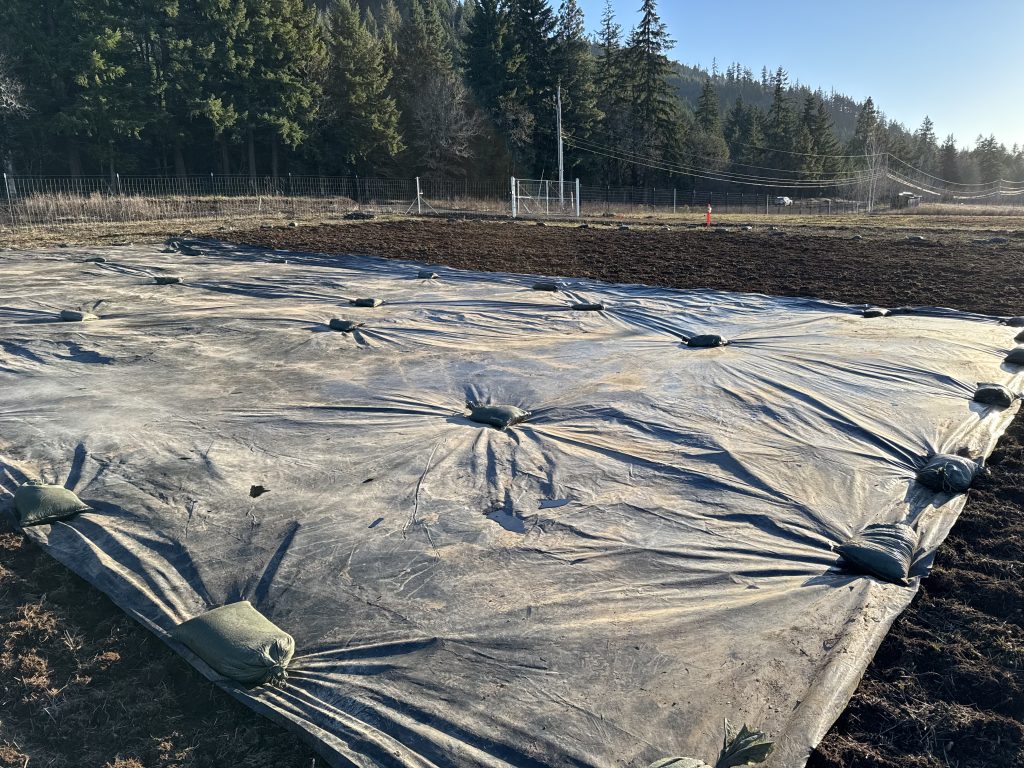
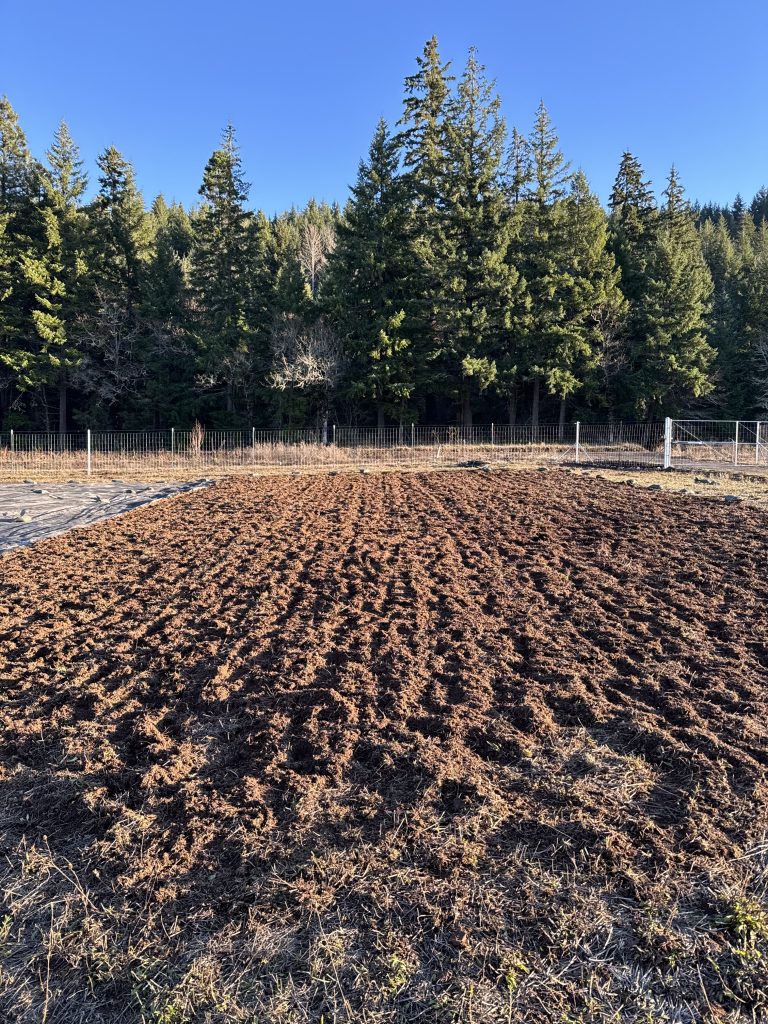
During all this ground work, we couldn’t help but notice we had some unwanted residents – voles, lots of them. Their presence was a clear warning sign that we need to figure out a sustainable solution to protect particularly our dahlias before planting season arrives.
Following one of regenerative agriculture’s core principles of keeping soil covered, this ground will now rest until spring when it’s time to prepare it for our you-pick flower field.
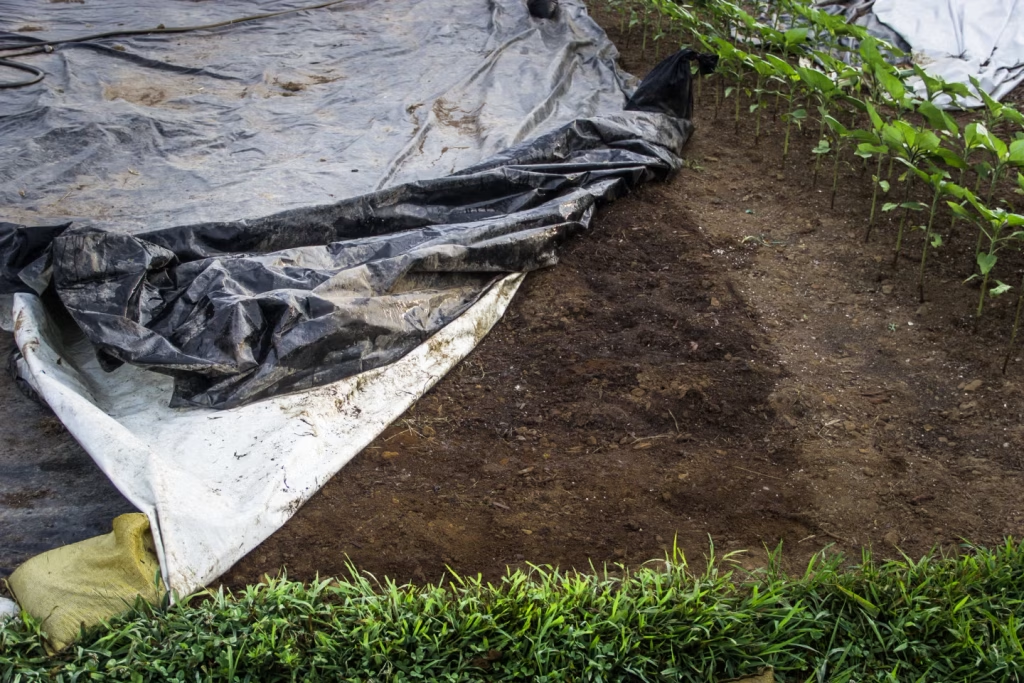
Farmer’s Friend Silage Tarps
A Great way to prepare a new growing space
Silage Tarps are a simple, cost-effective, game-changing weed management solution to preemptively eliminate weed pressure in your growing space.
Making Progress On Farm Infrastructure This Winter
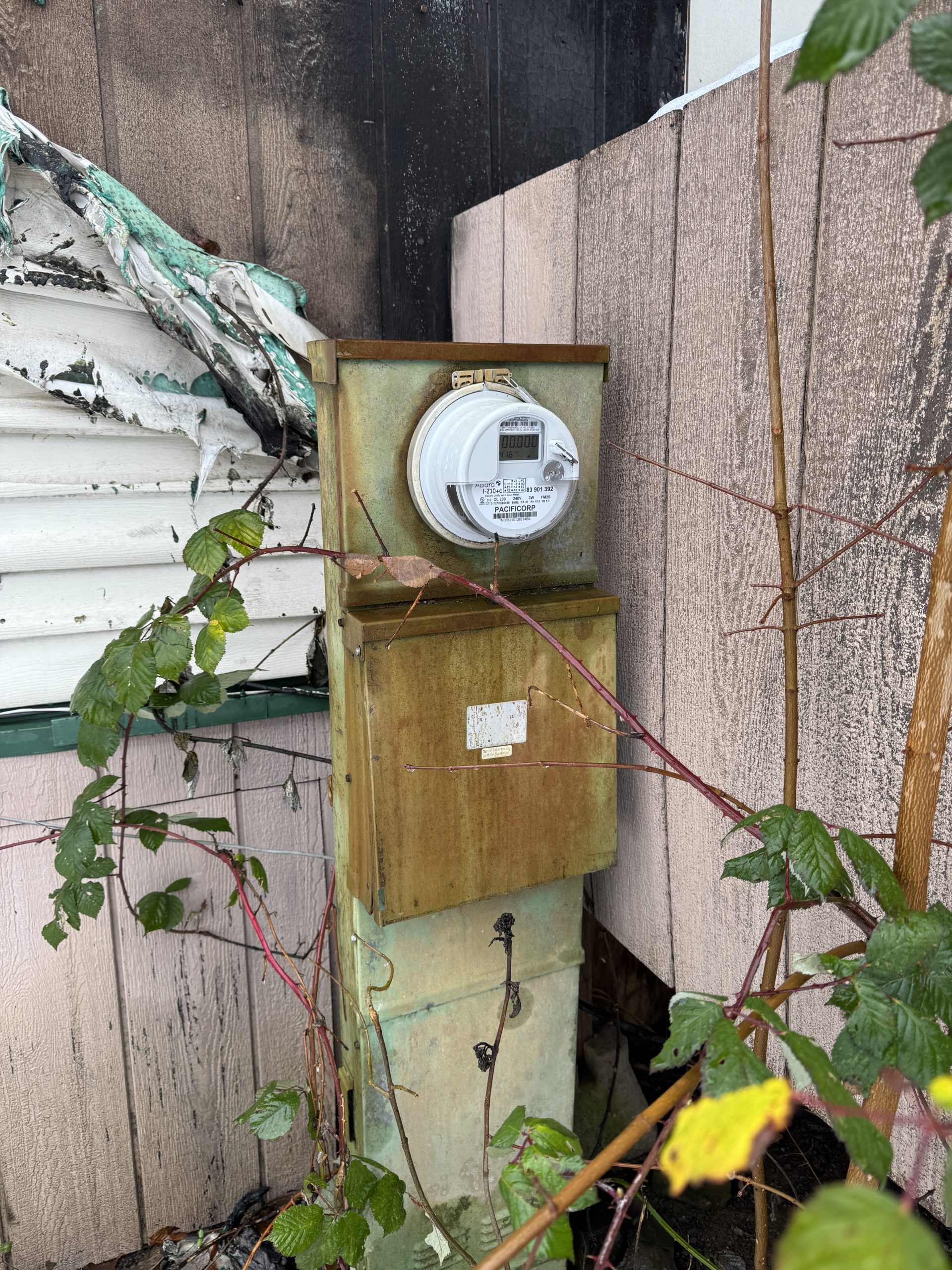
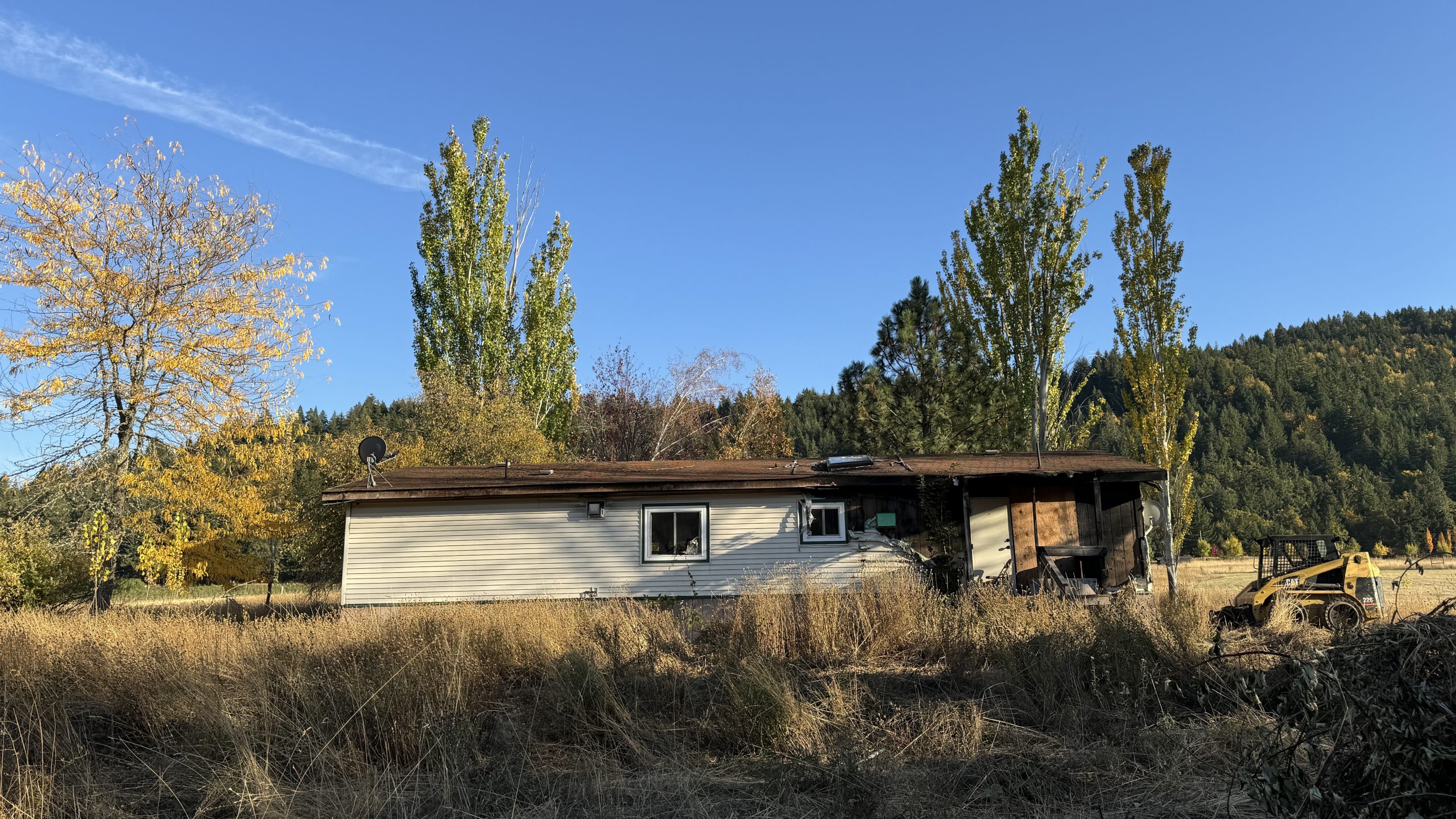
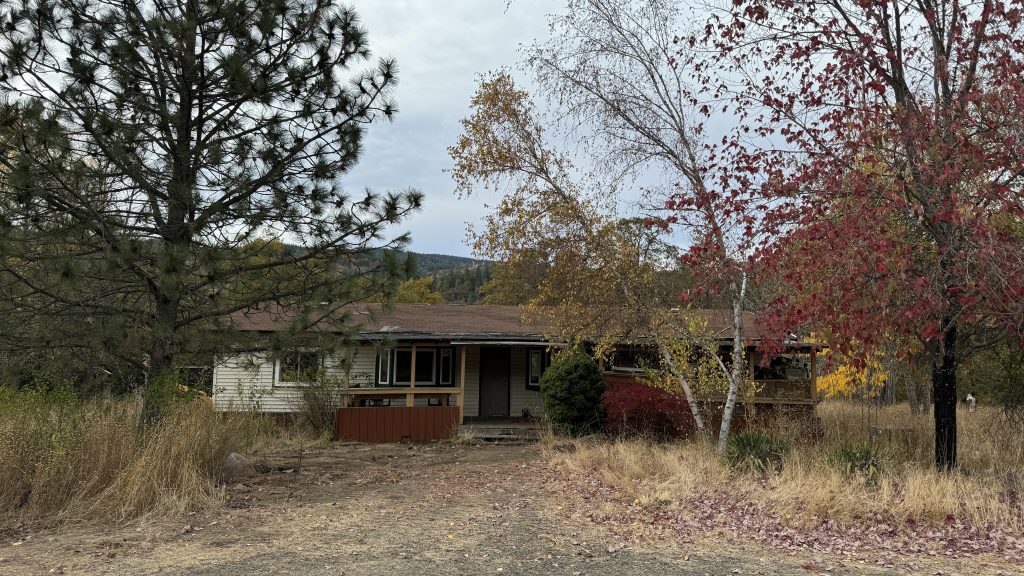
Beyond the field work, January has brought encouraging progress on infrastructure. We are getting close to receiving the county approval to remove the old manufactured home. This will be a crucial step toward restoring power and connecting the well house. This opens the possibility of building a shop or small barn this spring, complete with a bathroom, walk-in cooler, and flower processing area. All of which are essential infrastructure that will support our flower farm’s operations.
Looking Ahead As We Continue Our Winter Flower Farm Preparation
While this unusually dry January has blessed us with unexpected opportunities to work our land, we know better than to take winter’s quiet for granted here in the Pacific Northwest. Typically, our fields would be blanketed in snow this time of year, and we’re well aware that winter likely has a few more surprises in store for us. Yet even if snow does arrive to pause our outdoor progress, we’ll welcome it. Each weather pattern – whether it’s unseasonably dry or a traditionally snowy day – each plays its role in preparing our soil and shaping our farm’s future.
These January days have given us precious time to lay groundwork – both literally and figuratively. While the frozen mornings might limit our physical work, they’ve given us the gift of time to plan, learn, and make thoughtful decisions. We’re discovering that some aspects of the farm’s transformation will take longer than we initially imagined, while others are falling into place in unexpected ways. As we continue to work with nature’s rhythm, we’re learning to appreciate both the productive sunny days and the quiet, snow-covered ones that may yet come. Each adds its own verse to our farm’s unfolding story, teaching us patience and persistence as we work to create an ecosystem where every element contributes to the health of the whole.